
Even the finest audio components can only work with the power they receive. Before considering expensive power conditioners or accessories, we believe the electrical infrastructure supplying the system deserves attention first.
Whenever possible, we recommend a dedicated 20-amp circuit for a high-performance audio system. A dedicated circuit helps isolate audio equipment from appliances, lighting, motors, dimmers, and other devices within the home that can introduce electrical noise onto a shared circuit.
Our preferred installation uses three stranded copper conductors: hot, neutral, and an insulated equipment grounding conductor run with the circuit.
While 10 AWG is the minimum conductor size we typically use, we find that many installations benefit from 8 AWG or 6 AWG stranded copper for the hot and neutral, particularly as the distance from the electrical panel to the listening room increases. A 10 AWG stranded copper equipment grounding conductor is typically sufficient, subject to the requirements of the installation and applicable electrical code.
We also prefer the hot and neutral conductors to receive a loose twist of approximately one turn per foot along the run. This can help reduce the circuit’s susceptibility to electromagnetic interference.
In Chicagoland installations where the circuit is required to be installed in conduit, we typically specify 3/4-inch conduitto accommodate the heavier conductors and make installation practical.
The quality of the connection at the electrical panel is just as important as the wire itself.
In our installations, a small amount of an appropriate silver-based electrical contact compound is used only at two locations: where the conductor terminates at the circuit breaker and at the breaker’s electrical connection to the panel. We do not recommend applying it throughout the circuit or at the receptacle.
Any conductive compound must be specifically suitable for the materials and electrical connection involved and applied by the electrician in accordance with the breaker and panel manufacturer’s requirements.
Grounding is one of the most overlooked aspects of an audio system’s electrical infrastructure.
We begin by inspecting the home’s existing grounding and bonding system. This includes examining the copper grounding conductor associated with the incoming metallic water service, cleaning the appropriate grounding connection where necessary, and properly reterminating it.
We also inspect the home’s existing grounding electrode and its connections. Where appropriate and permitted, our preferred approach is to supplement the existing grounding electrode system with two additional copper ground rods, spaced approximately five feet apart, with the grounding electrode conductor continuing from one electrode to the next as part of one properly bonded grounding system.
This is not intended to create a separate or independent “audio ground.” The grounding electrode system, electrical service, equipment grounding conductors, and other required grounding and bonding connections must remain properly bonded and installed in accordance with applicable electrical code.
At the listening room, we have had excellent results with AudioQuest’s high-quality AC receptacles. Their more substantial construction, high-quality plated contact surfaces, and ability to accommodate heavier-gauge conductors make them particularly well suited to the type of dedicated circuits we use for high-performance audio systems.
A high-quality receptacle also provides strong mechanical contact with the power cord—something that can be overlooked when considerable attention has been given to everything upstream.
Ideally, we prefer to keep an entire audio system on the dedicated circuit rather than creating multiple circuits with potentially different ground paths.
When more than two receptacles are required at the equipment location, we recommend a straightforward, high-quality distribution strip rather than automatically adding filtration or power conditioning.
We have had particularly good results with power distribution products from Wisdom Cable Technology Products in California. Their eight-outlet power strip takes a deliberately simple approach: no filtration and no power conditioning—just high-quality cryogenically treated receptacles, internal star-ground wiring, and quality conductors throughout.
The objective is to distribute the power cleanly without unnecessarily placing additional circuitry between the electrical service and the audio components.
We also recommend installing whole-house surge protection at the main electrical panel. Rather than relying exclusively on protection at the equipment rack, a panel-mounted surge protective device provides a first line of defense for the audio system—and the rest of the home’s electronics.
It is easy to spend thousands of dollars addressing power after it reaches the listening room. We prefer to start further upstream.
A properly designed dedicated 20-amp circuit, appropriately sized stranded copper conductors, careful connections, a robust grounding system, a high-quality receptacle, and whole-house surge protection create a solid electrical foundation for the entire audio system.
Like every other part of a high-performance audio system, the goal isn’t simply to spend more. It’s to address the fundamentals first and invest where it can make a meaningful difference.
These recommendations describe our preferred approach to electrical infrastructure for high-performance audio systems. Electrical requirements vary by installation and jurisdiction. All electrical work, conductor sizing, grounding, bonding, panel connections, and related modifications should be evaluated and performed by a qualified, licensed electrician in accordance with applicable electrical codes and equipment manufacturers’ requirements.
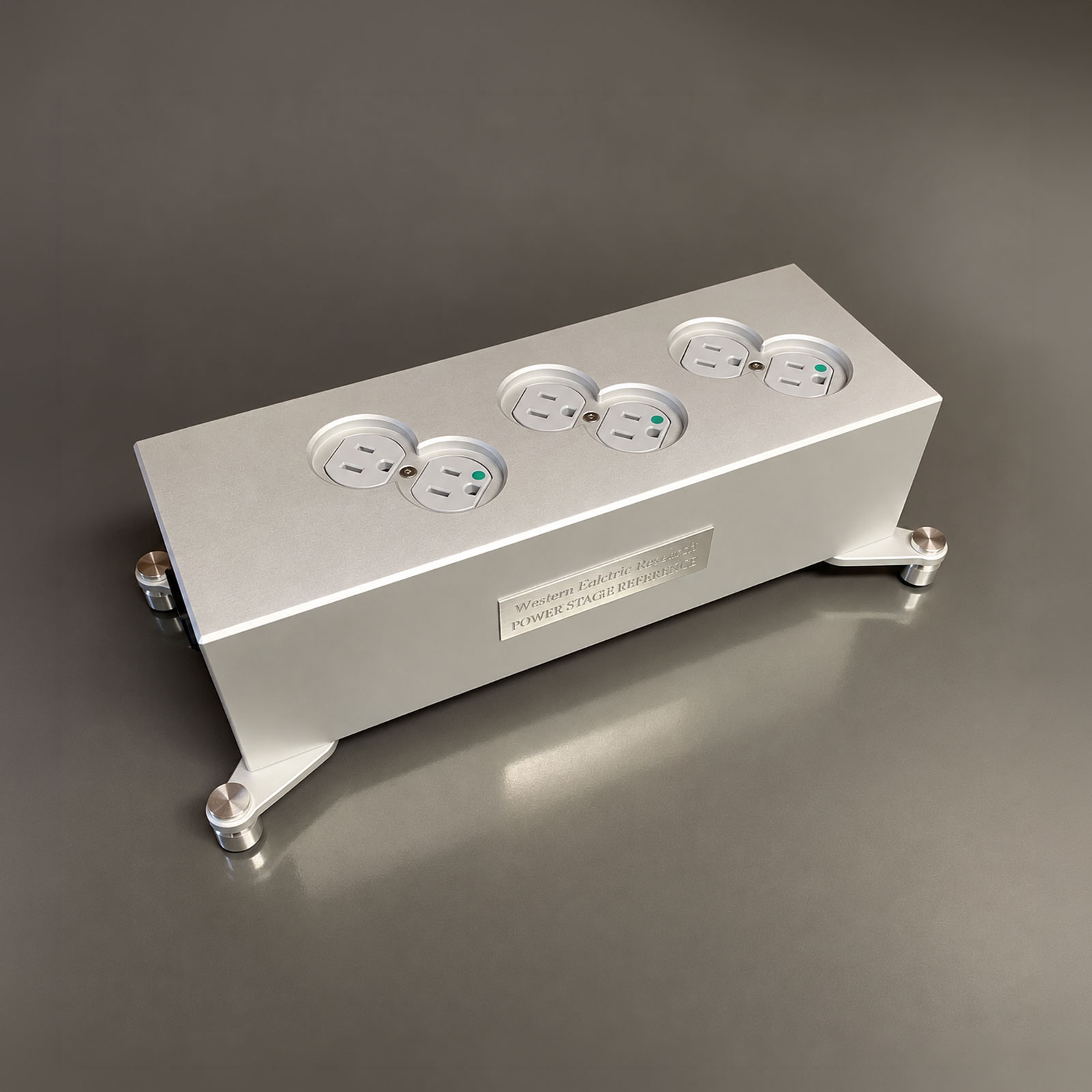
wisdom cable technology
Reference-SR
$1,949
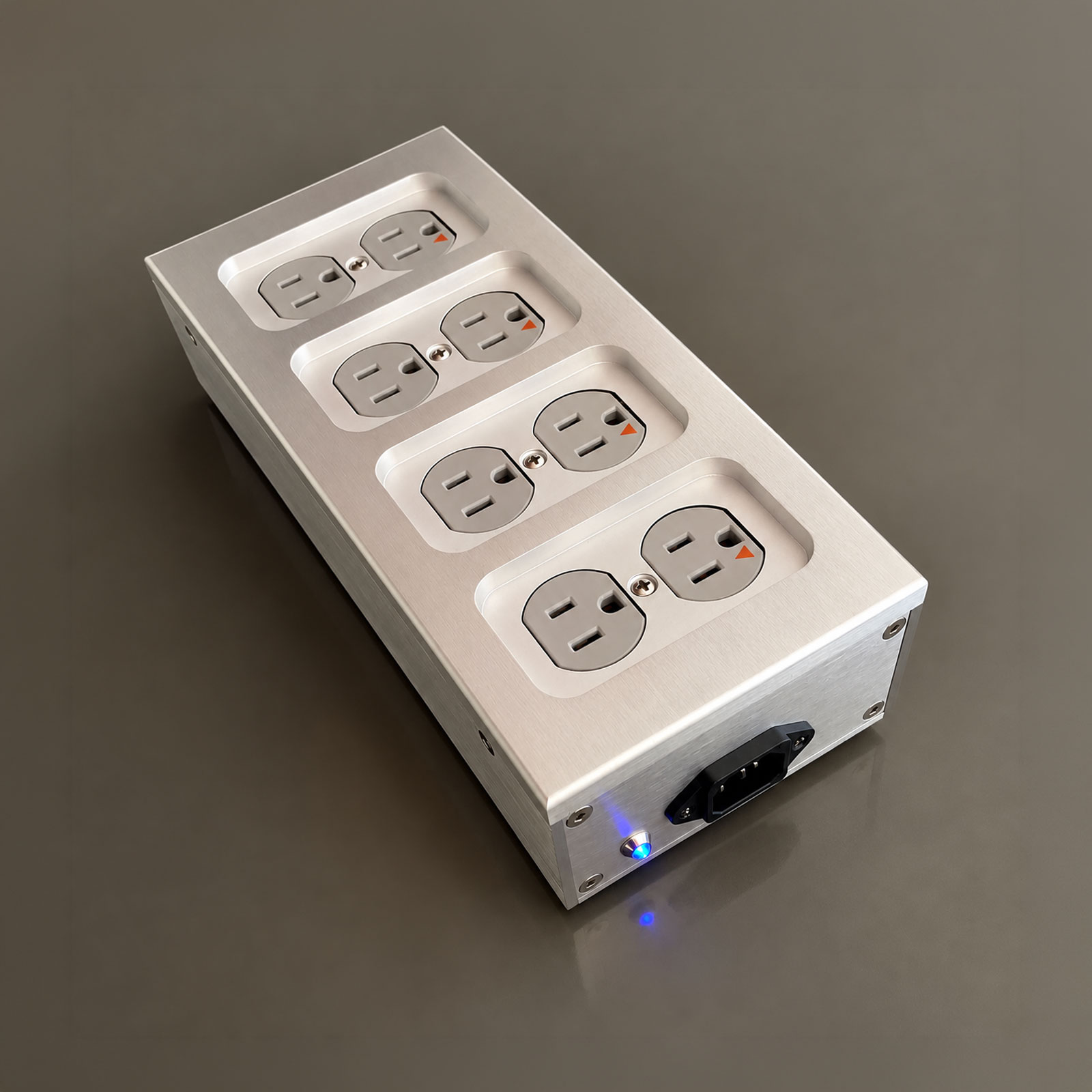
wisdom cable technology
ES-1oSR
$1,279
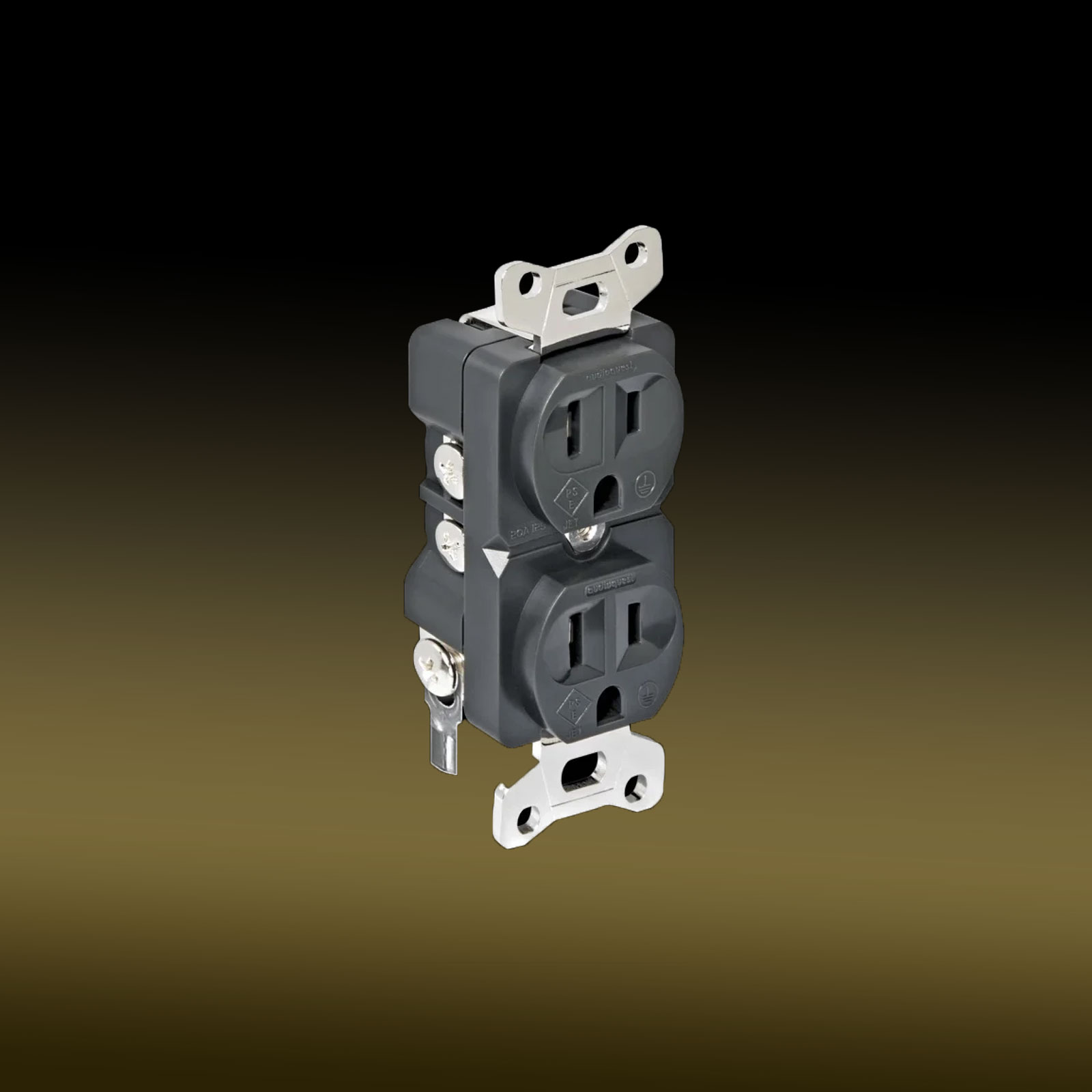
audioquest
NRG Edison 20 amp
$250